
How Flexible Is an IUL Policy?
Flexibility is one of the main reasons people choose indexed universal life insurance over a traditional whole life or term policy. A whole life policy generally asks the policyholder to pay a fixed premium on a fixed schedule for a fixed benefit, while a term policy simply expires at the end of its term. An […]
Common Mistakes in IUL and How to Avoid Them

Indexed universal life insurance offers a genuinely useful combination of permanent coverage, downside protection, and market-linked growth potential, but it is also a product with enough moving parts that small missteps can meaningfully undermine how well a policy actually performs over time. Unlike a simple term policy, where the main decision is choosing an appropriate […]
Switching the Death Benefit Option in IUL
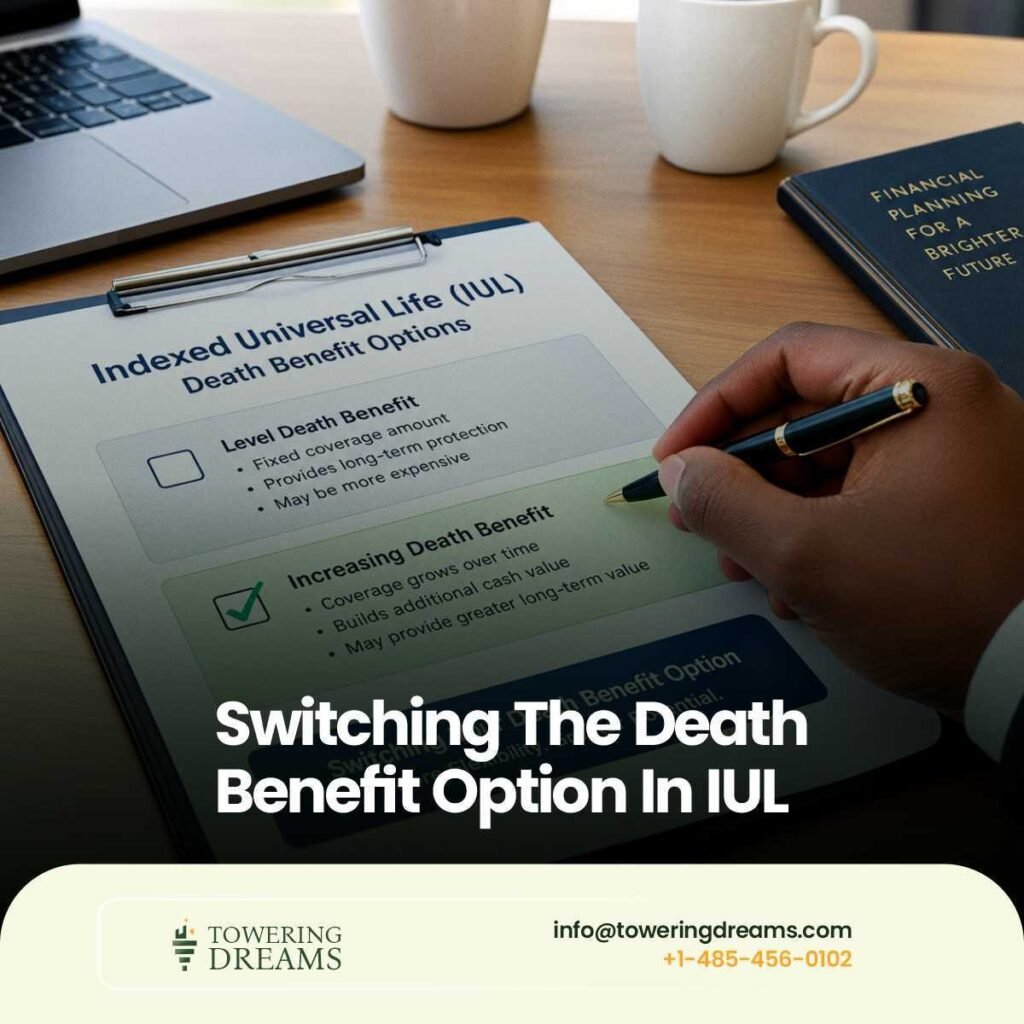
One of the lesser-known features of an indexed universal life policy is the ability to choose, and later switch, between different death benefit structures without necessarily starting a brand new policy from scratch. This flexibility is built directly into the design of most IUL contracts, and it exists precisely because the right death benefit structure […]
Can I Update My IUL Policy?
Life does not stay still, and neither do the circumstances that led someone to buy an indexed universal life policy in the first place. A policy purchased at 35 to cover a mortgage and young children looks very different from the coverage that same person might need at 55, once the mortgage is paid down, […]
What Is an Assumed Interest Rate in IUL?
Every indexed universal life illustration includes a number that quietly does more work than almost any other figure on the page: the assumed interest rate. It is the rate used to project how a policy’s cash value will grow over the years shown in the illustration, and it directly shapes how impressive or modest the […]
What Is a Stress Test in IUL?

An indexed universal life illustration showing steady, attractive growth year after year can be reassuring, but it can also be quietly misleading. Real markets do not move in smooth, consistent lines. They rise, fall, stagnate, and occasionally do all three within the same decade. A stress test is the tool used to answer a question […]
Case Modeling for an IUL Policy
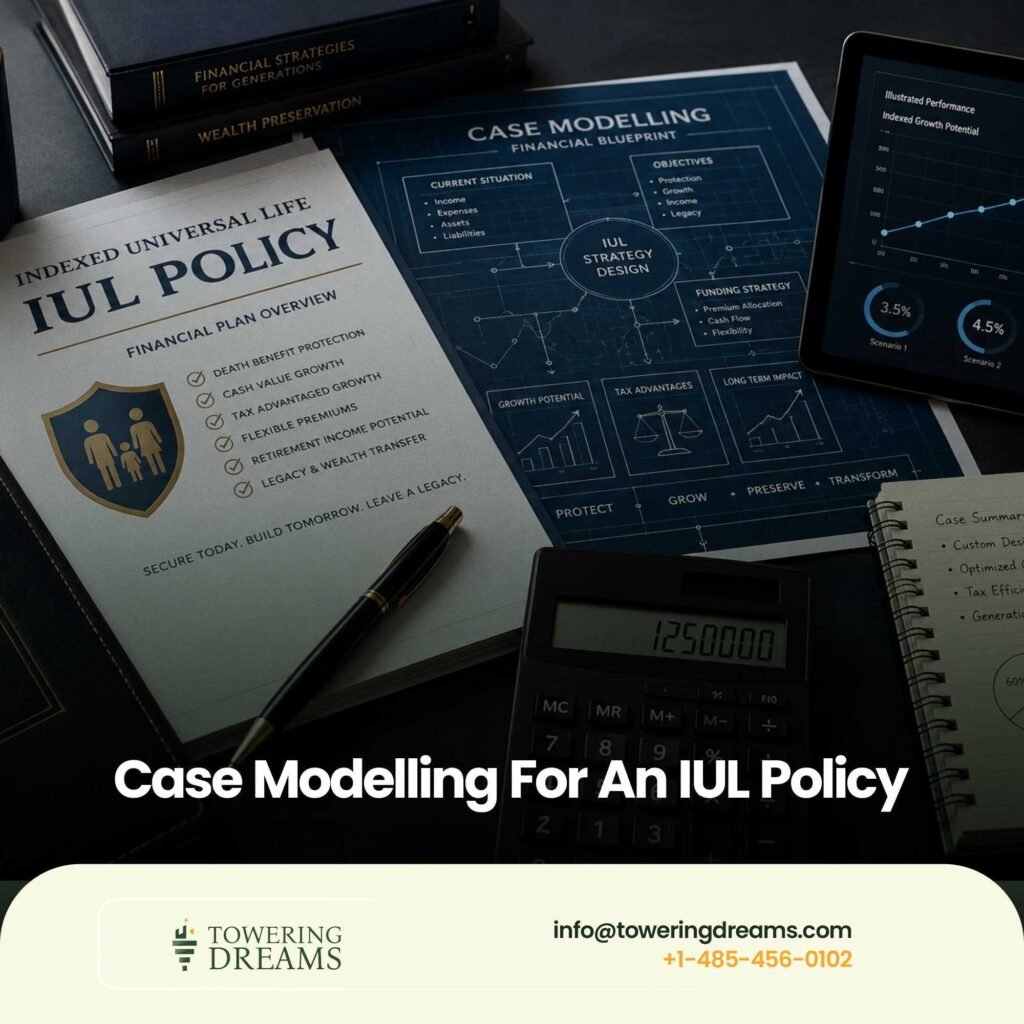
Buying an indexed universal life policy without running a proper case model is a bit like signing a mortgage without ever looking at an amortization schedule. The policy might be structured well, priced fairly, and issued by a reputable carrier, yet without a clear picture of how premiums, charges, and crediting assumptions interact over decades, […]
Market Volatility in IUL
Market volatility is one of the first things people worry about when they hear “the stock market” and “life insurance” in the same sentence. Most of us have watched our 401(k) balances swing wildly during a downturn, and tying a life insurance policy to market performance can sound like inviting that same stress into a […]
IUL As A Risk-Management Tool

Indexed Universal Life insurance is most commonly discussed as a wealth accumulation and retirement income tool — a vehicle for building tax-advantaged cash value and generating tax-free income in later life. This framing is accurate and important. But it captures only part of what IUL can do. At its foundation, IUL is a risk management […]
Can I Modify My IUL Policy?
An Indexed Universal Life policy is sold with the understanding that life will not stay still. The insured changes jobs, income rises and falls, children are born, a business is sold, health changes. A policy designed for one stage of life will rarely fit the next, and the question of what can be changed, at […]